


The Department of Disease Control stated that, according to information from the Infectious Disease Surveillance System, from December 27, 2025 to January 27, 2026, India recorded 05 suspected cases of Nipah virus infection (including 02 confirmed cases) at a hospital in West Bengal.
The Department of Disease Prevention and Control requests the Departments of Health, the International Health Quarantine Centers, and the Centers for Disease Control and Prevention in provinces and cities to develop plans for preventing and controlling Nipah virus outbreaks at border crossings. They should also organize training for healthcare workers at all levels on prevention measures and infection control practices.
To proactively prevent and control the entry and spread of infectious diseases into our country, the Department of Disease Prevention and Control requests the Department of Health to direct the strengthening of disease prevention and control work at border gates, at medical facilities, and in the community; regularly update and monitor disease information worldwide; closely monitor incoming travelers to detect suspected cases early and handle them immediately at border gates.
 |
|
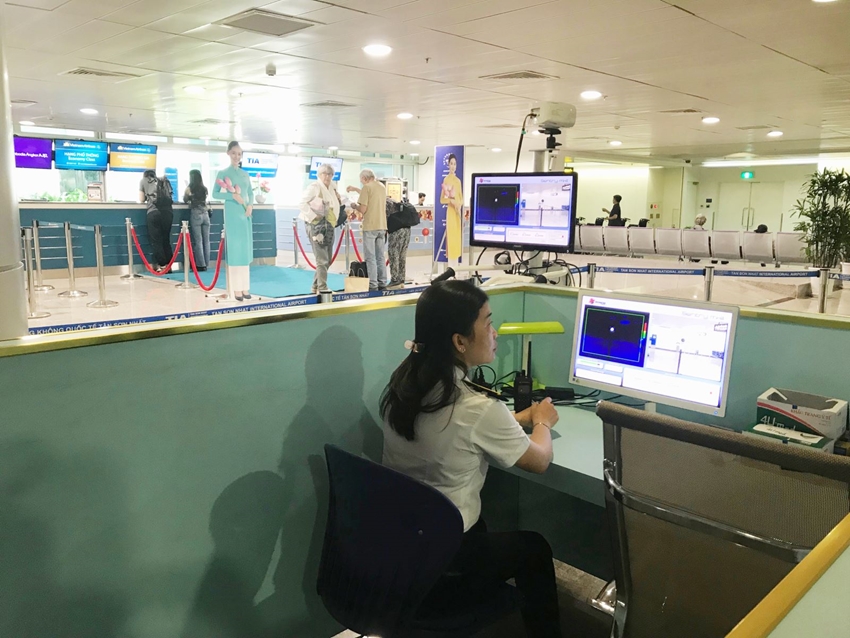
The Department of Disease Prevention requests the Department of Health, the International Health Quarantine Center and Provincial and city Centers for Disease Control and Prevention develop plans. Preventing the spread of Nipah virus at border crossings. |
Develop a plan for preventing and controlling Nipah virus outbreaks at border crossings. Organize training for healthcare workers at all levels on prevention measures and infection control.
At the same time, organize communication about the epidemic situation to prevent public panic and anxiety and to ensure that preventive measures are properly implemented.
For the Institutes of Hygiene and Epidemiology/Pasteur Institutes, the Department of Disease Prevention requests guidance, training, and support for localities on surveillance and prevention measures, sample collection, preservation, transportation, and receipt of specimens from localities.
Review and strengthen the rapid response team at the unit, ready to respond when suspected or confirmed cases are recorded in localities (if any).